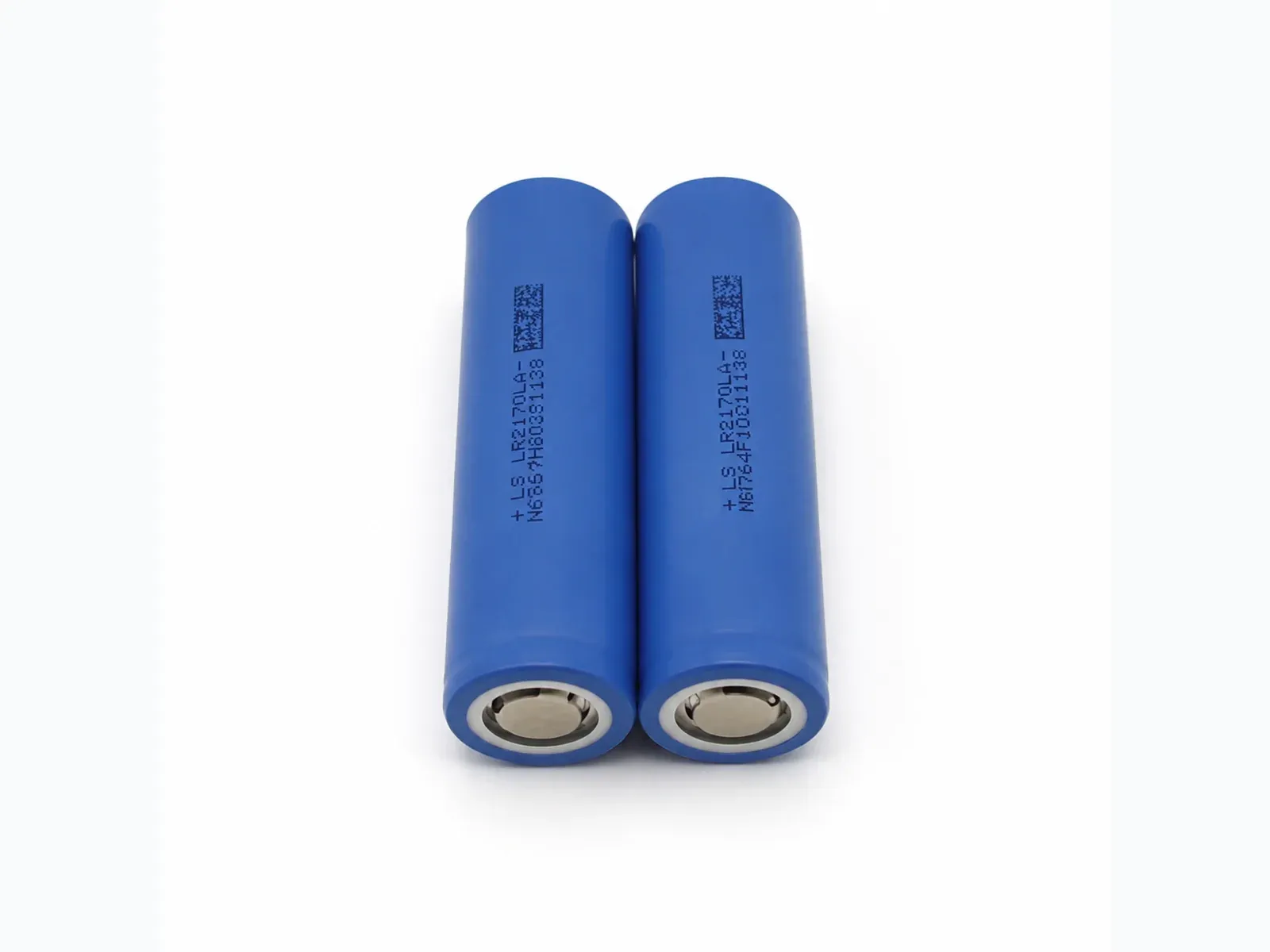
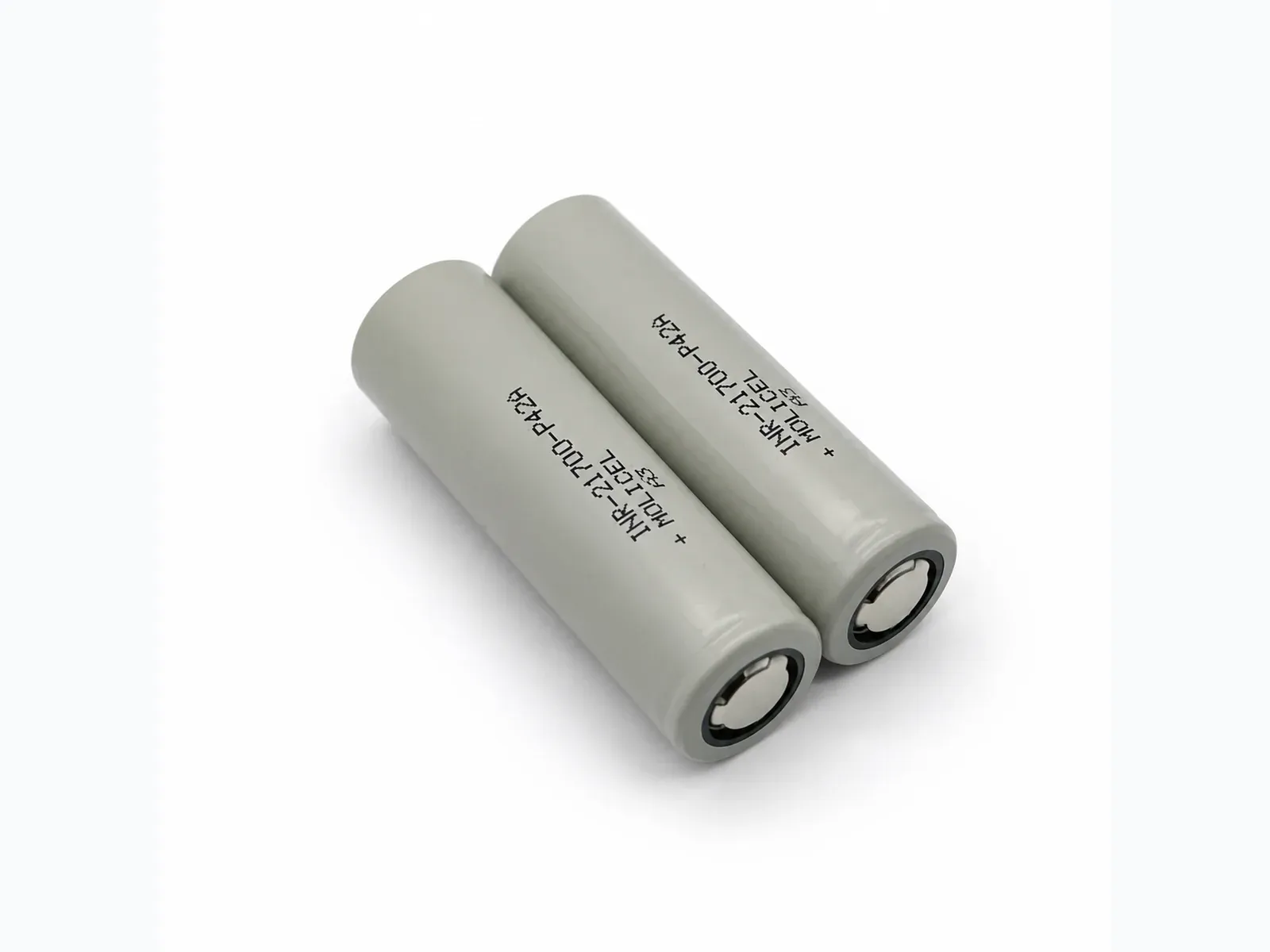
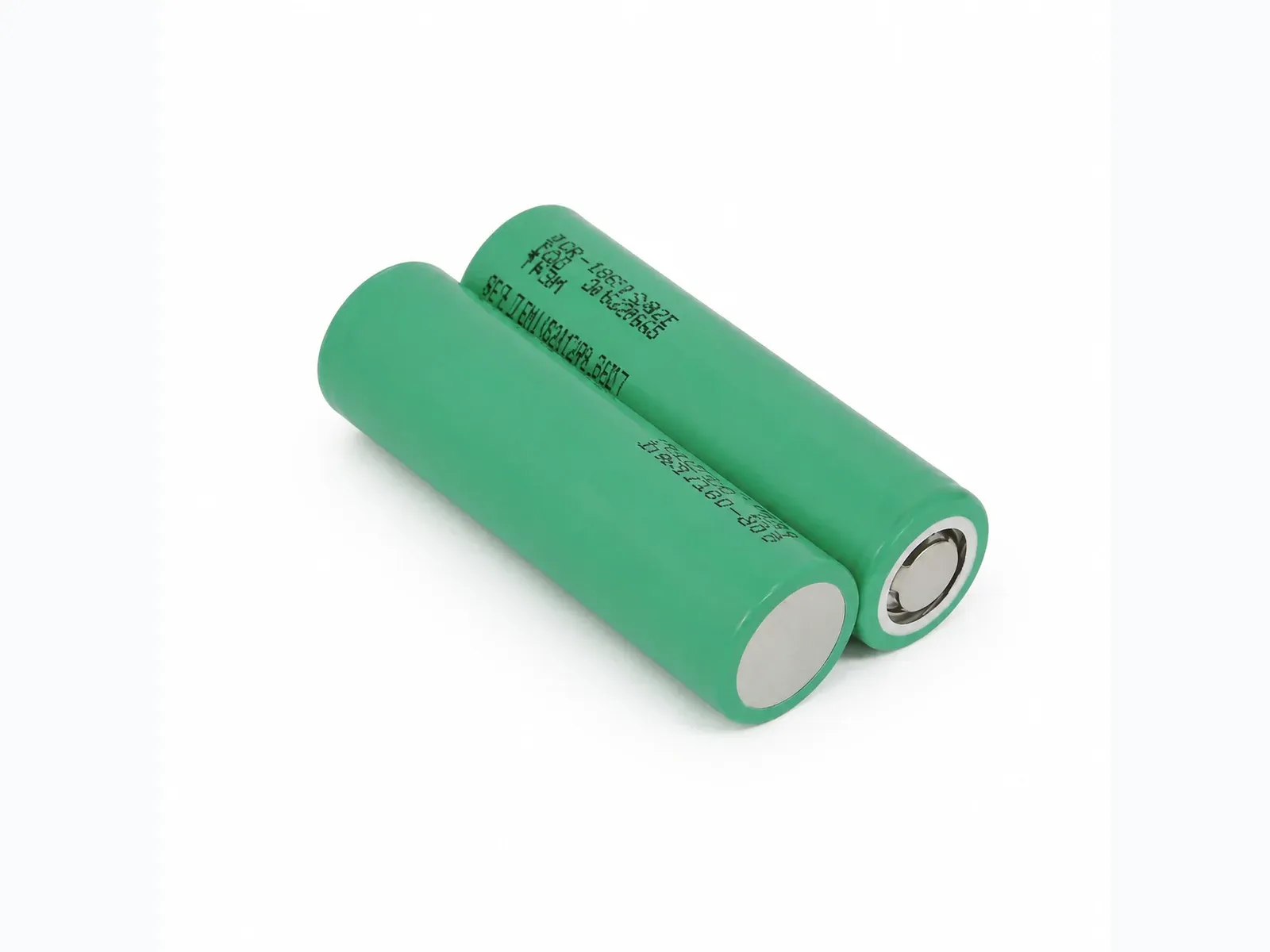
For high-rate UAV pouch batteries, 18650 / 21700 / 32700 cylindrical lithium cells, and custom battery packs, this page explains how quality evidence is built—electrode and internal inspection gates, OCV / IR matching and traceability, and transport / certification file planning. Step-by-step manufacturing belongs on the custom PACK process page.
This quality page focuses on inspection gates, matching records, traceability, and file planning—from electrode thickness / CCD and X-ray checks through formation and OCV / IR matching—so consistency and safety evidence are ready before delivery. Step-by-step manufacturing belongs on the custom PACK process page.
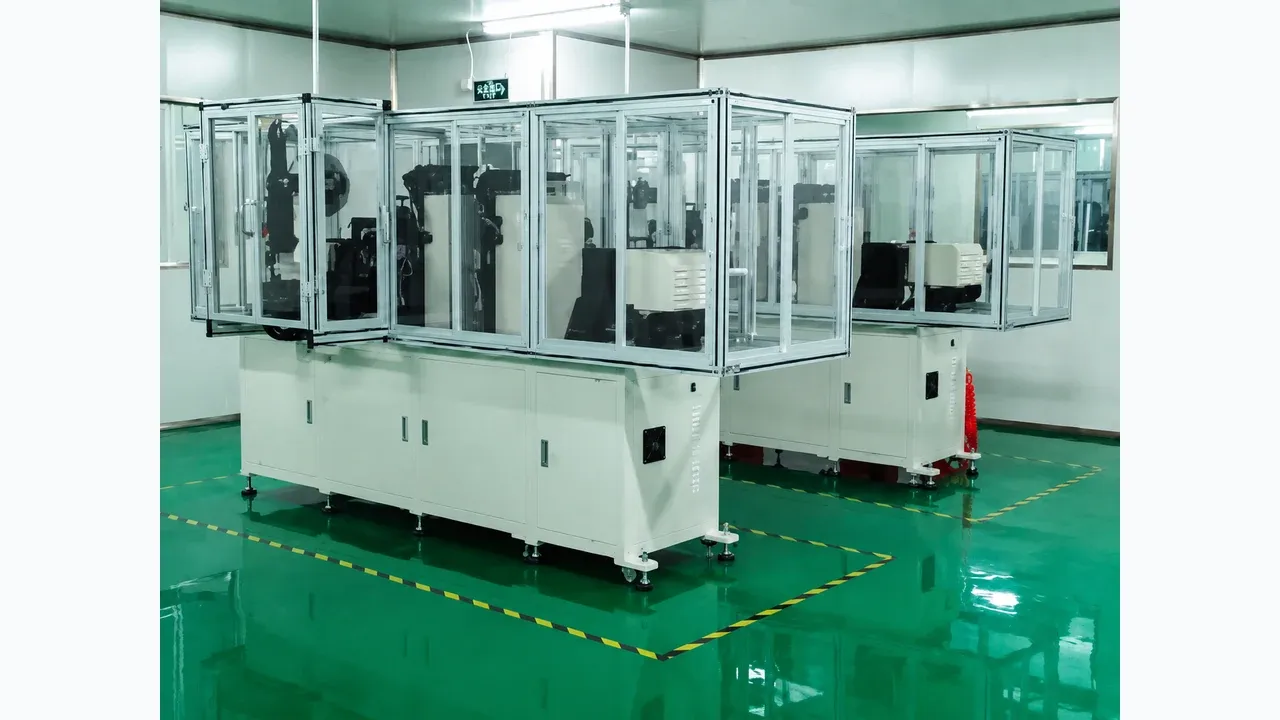
Slurry and coating uniformity, laser thickness measurement, and CCD electrode inspection help control capacity consistency and surface-defect risk before forming.
Middle-process internal safety gates
Winding or stacking alignment, sealing and electrolyte fill condition, and X-ray internal checks support short-risk and structural-safety review.
Back-end matching and file evidence
Post-formation condition, OCV / IR grading records, batch traceability, and UN38.3 / MSDS planning form the quality evidence set before delivery.
Critical quality controls
Consistency, safety, and matching are controlled through reviewable inspection gates.
Quality is not only a certificate list. For UAV pouch cells, cylindrical cells, and custom PACK projects, delivery quality depends on whether electrode, forming, internal inspection, formation, and matching data are reviewable.
In-line laser thickness measurement and CCD electrode inspection
Coating thickness and electrode-surface defects directly affect capacity consistency. In-line laser measurement helps control slurry coating uniformity, while CCD visual inspection screens scratches, exposed foil, and powder loss before assembly.
High-rate UAV pouch cells depend on low internal resistance, discharge stability, and swelling control. Stacking, post-formation degassing, final sealing, and shaping are key quality gates before high-rate PACK integration.
Stacking ControlDegassing and Final SealingUAV pouch cells
Non-destructive X-ray internal inspection
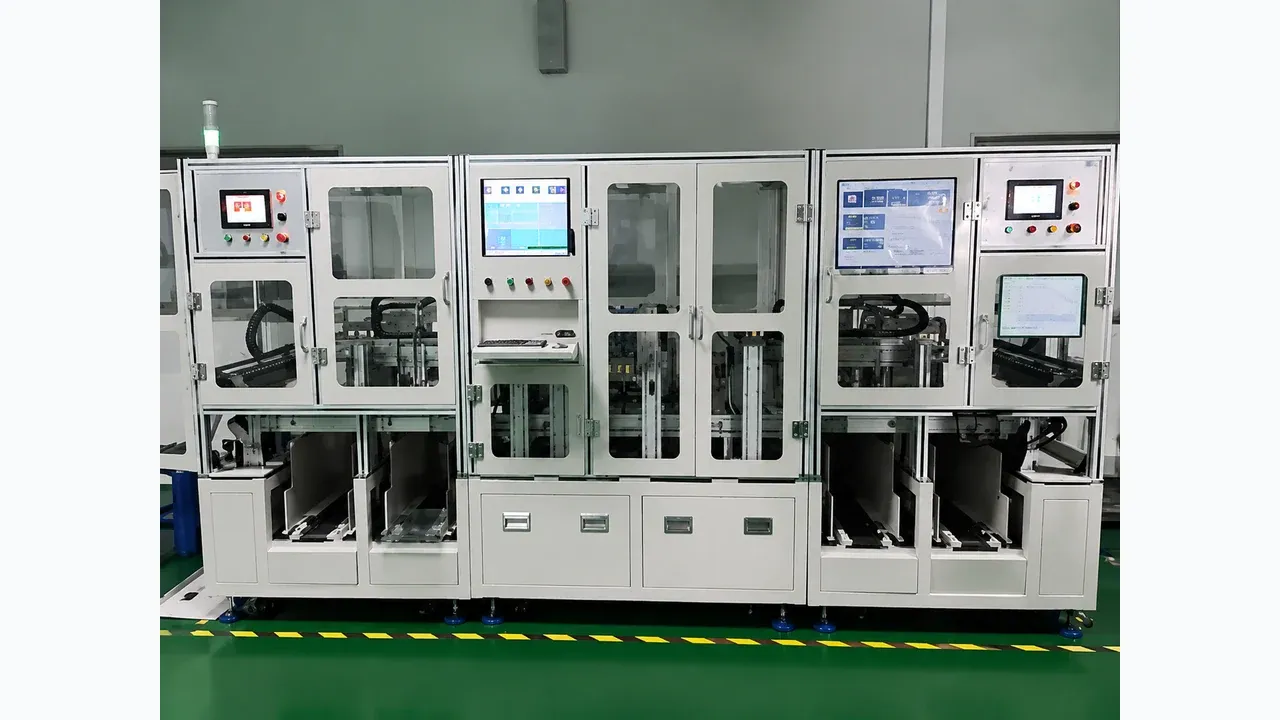
Internal inspection checks electrode alignment, tab position, and short-risk conditions that cannot be judged from appearance alone. This matters for industrial, medical, robotics, and low-altitude flight platforms.
Cylindrical cells and multi-series PACK assemblies depend on consistency. Open-circuit-voltage and internal-resistance matching helps reduce early voltage spread and weak-cell risk, with batch records retained for review.
OCV & IR MatchingCylindrical cell PACKBatch traceability
Quality-control gates
Six common quality gates from electrodes to matching and traceability.
1
Feeding and slurry control
Cathode and anode active materials, conductive additives, and binders are fed by formula
Scratches, exposed foil, powder loss, and visible coating defects are reviewed
Risk electrodes are intercepted before winding or stacking
4
Winding or stacking formation
Cylindrical and prismatic routes focus on winding consistency
UAV pouch routes focus on stacking alignment and resistance
Alignment, resistance, and rate-related risks are controlled by product route
5
X-ray, sealing, and electrolyte filling
X-ray inspection checks internal alignment and potential short-risk conditions
Sealing and cell-insertion / pouch-seal steps follow project process rules
Vacuum electrolyte filling helps control wetting condition
6
Formation, final sealing, and OCV / IR matching
Formation completes first charge activation
Pouch cells go through degassing, final sealing, and shaping
OCV / IR grading matches cells by voltage and resistance with traceability records
Real production evidence
The gates, photographed on our pack line.
Taken in September 2026: incoming prismatic cells, traceability scans, laser welding, charge-discharge cycling, BMS checks, and UN-certified export packing — the photo record behind the gates above.
1
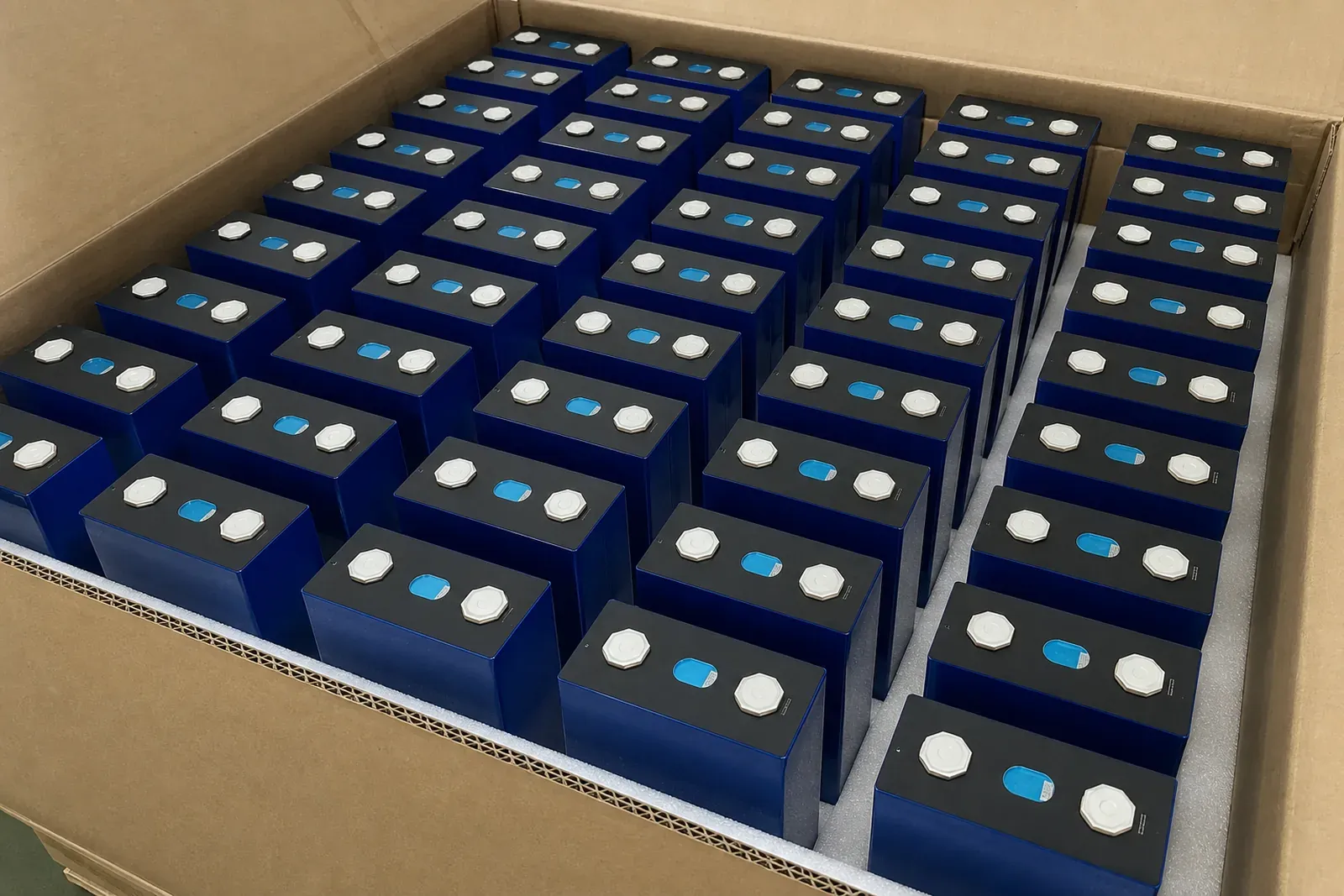
Incoming cell inspection
Prismatic LiFePO4 cells arrive batch-boxed with foam separation and go through incoming inspection before the pack line.
2
Cell traceability scan
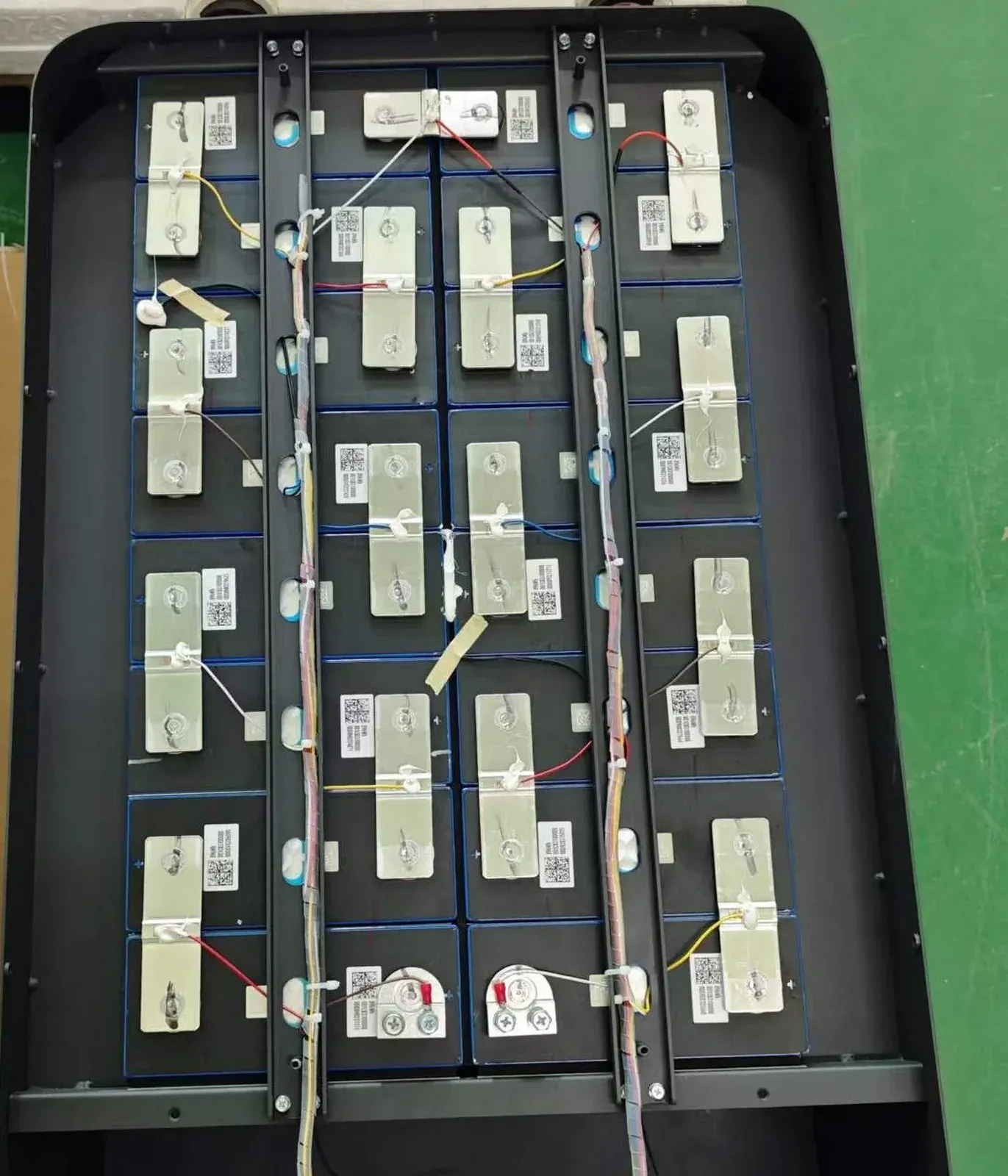
Every cell carries a QR label that is scanned into batch traceability records as it moves through the line.
3
Laser-welded busbar assembly
Busbars are laser-welded and point-checked with every cell QR label left in place for traceability.
4
Charge-discharge cycling
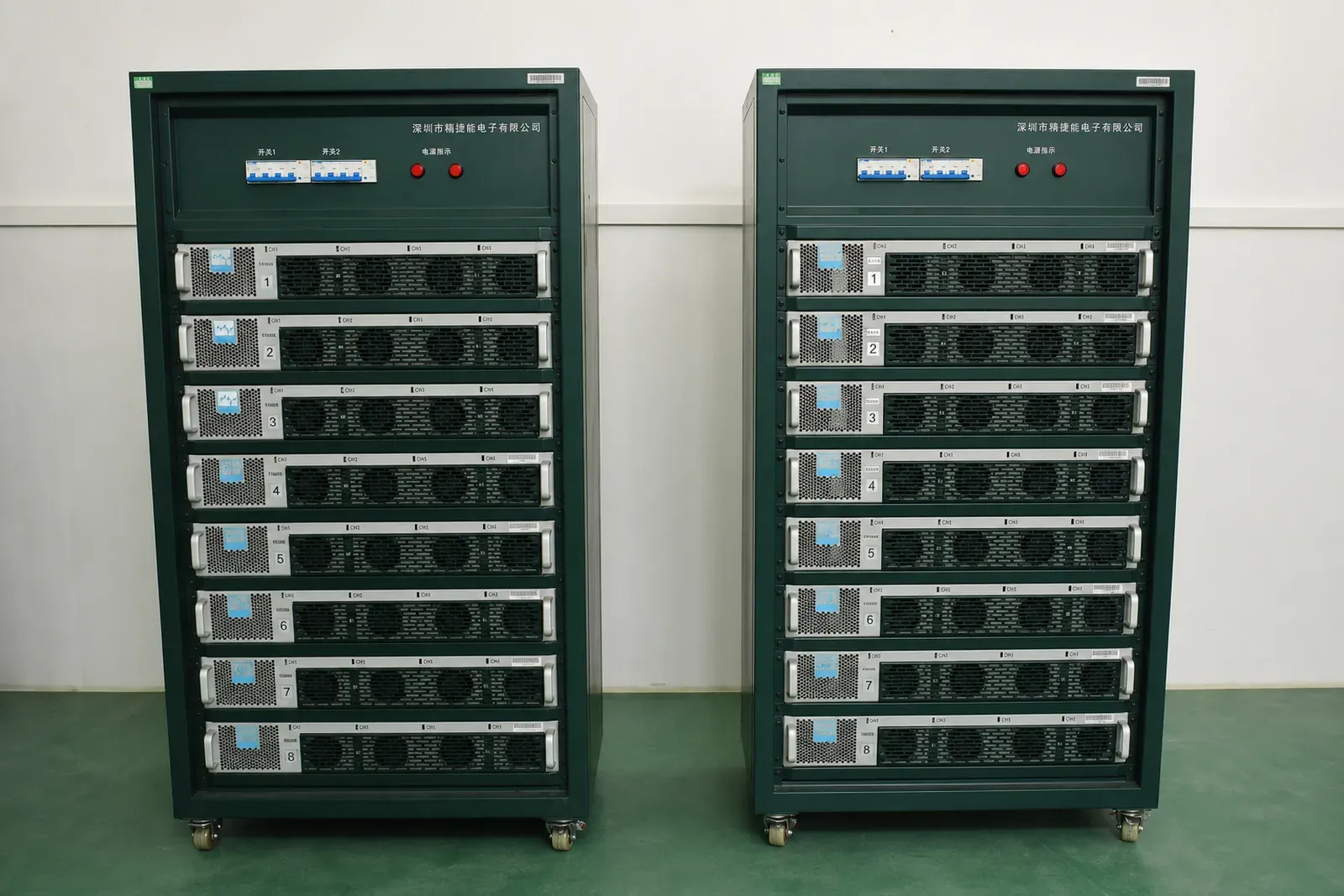
Finished packs run charge-discharge cycling on multi-channel test cabinets before packing.
5
BMS setup and comms check
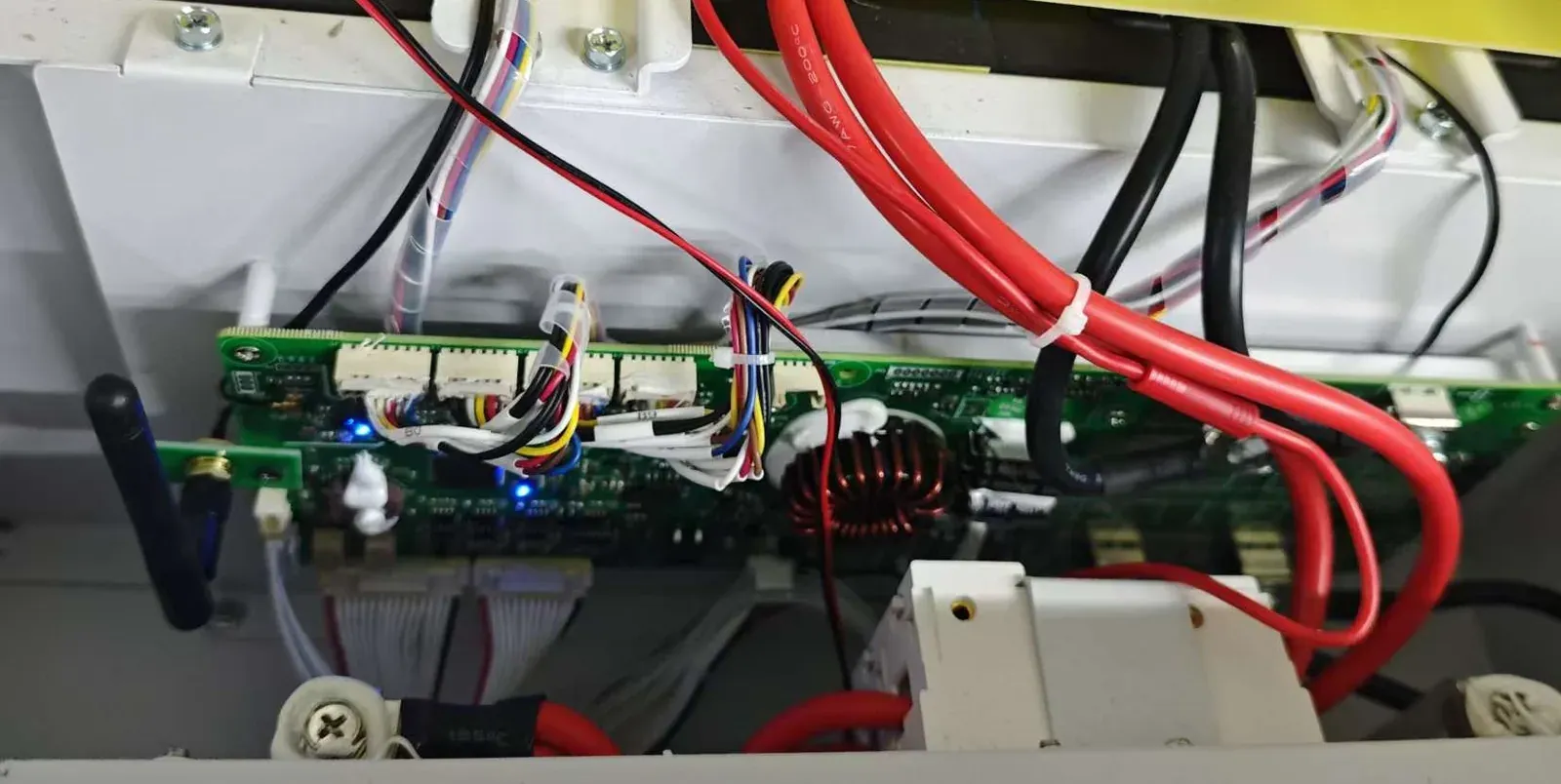
BMS boards are configured and communication links verified before a pack is closed.
6
UN-certified export packing
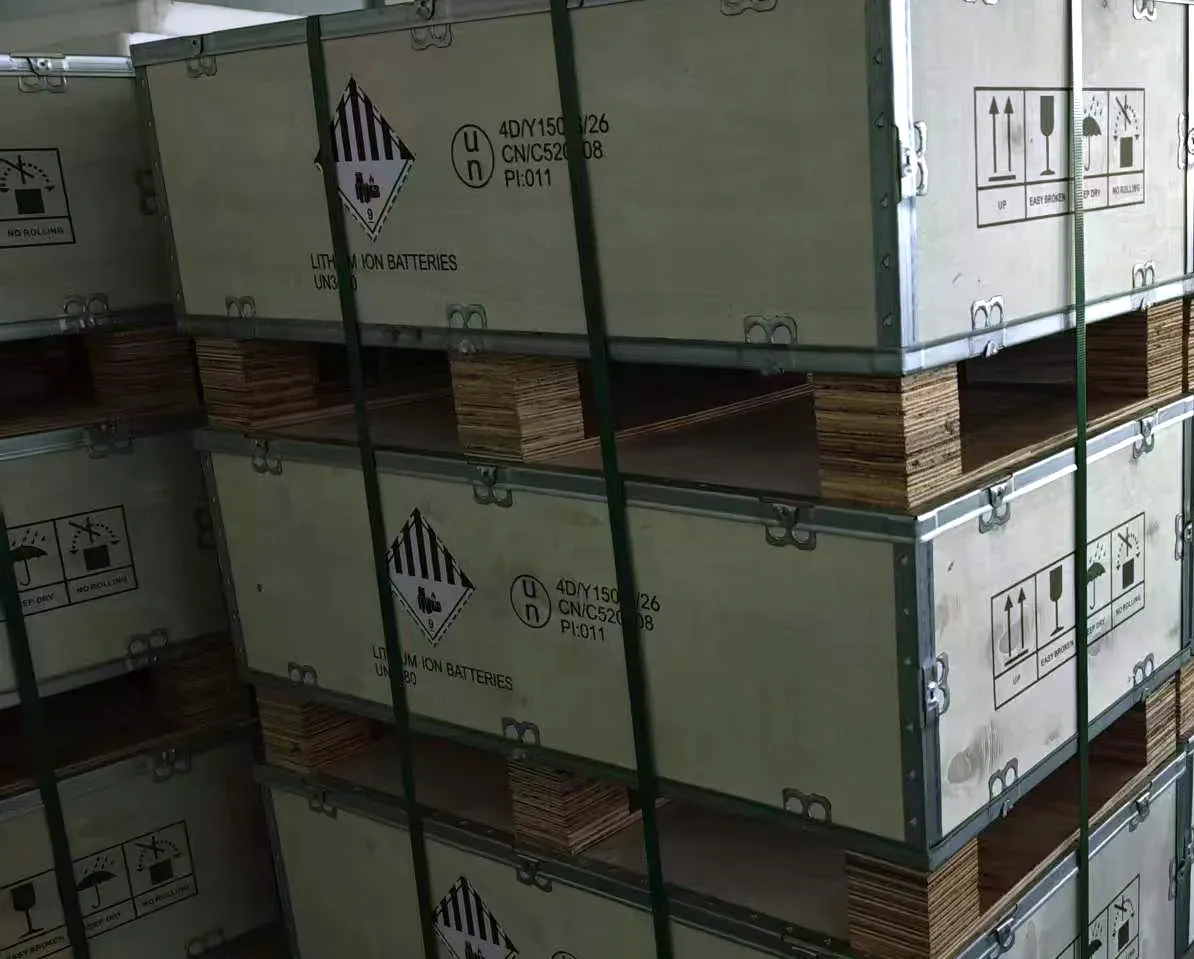
Packs ship in UN-certified plywood crates carrying the UN3480 lithium-ion battery marking.
Photos taken: September 2026 · Staricell PACK facility
Product-line relevance
How process control supports UAV, cylindrical cell, and custom PACK products.
High-rate UAV pouch batteries
Focus areas include stacking, low internal resistance, degassing, temperature rise under high-rate discharge, and cell consistency for inspection, logistics, agricultural, and payload UAV platforms.
Focus areas include winding consistency, OCV / IR grading, batch traceability, and downstream PACK matching for smart equipment, robotics, tools, and OEM cylindrical packs.
Cell-matching data continues into PACK assembly, where BMS, harnesses, connectors, insulation, aging tests, and shipment files are reviewed by project. Step-by-step manufacturing belongs on the process page.
Manufacturing records, inspection data, and shipment files are prepared together.
Certification and shipment files still matter, but they should be built on traceable manufacturing and inspection records.
Transport files
UN38.3, MSDS, battery labels, and shipment information can be planned according to battery configuration.
Production and inspection records
Cell matching data, OCV / IR records, BMS settings, aging test summaries, and final inspection records can be organized when required.
Certification scope planning
CE, IEC, UL, RoHS / REACH, or other project-file needs are reviewed according to target market and product use case.
Target-market planning
Files are prepared around shipment country, duty cycle, and certification targets.
Global export projects
Shipment country, battery configuration, chemistry, quantity, and transport mode are reviewed before samples or production delivery.
Europe documentation planning
Documentation can be planned around importer review, CE / IEC paths, RoHS / REACH information, UN38.3, MSDS, and battery labeling.
North America and other market review
UL / IEC routes, transport labels, enclosure safety, application duty cycle, and production records can be reviewed by project use case.
Project quote
Need quality and certification planning for a cell or PACK project?
Share voltage, capacity, application, quantity, target market, enclosure needs, and certification targets. Our team will map the pack architecture and quote path.